Wednesday, September 7, 2011

Grilled Hanger Steak, Fresh Creamed Corn, Warm Green Bean Salad with Pancetta Vinaigrette

Grilled Hanger Steak, Fresh Creamed Corn, Warm Green Bean Salad with Pancetta Vinaigrette

4 ea. Hanger steaks, about 8 oz. each

Extra virgin olive oil

Salt and pepper

2 # Assorted pole beans (green, wax, etc.) sliced thinly on a bias

½ # Arugula

Pancetta Vinaigrette

Fresh Creamed Corn

1. Make Pancetta Vinaigrette. Hold warm. Reserve extra rendered pancetta

2. Make Fresh Creamed Corn. Hold warm and covered.

3. Preheat grill.

4. Blot steaks dry. Lightly rub with olive oil and season well with salt and pepper. Grill to a nice medium rare.

5. Allow steaks to rest for 10 minutes.

6. Place beans in bowl. Drizzle with warm Pancetta Vinaigrette. Toss in arugula. Adjust salt and pepper.

7. Check creamed corn for seasoning and consistency. Adjust the latter with a little water if necessary.

8. Slice steak. Place a pool of creamed corn in the center of the plate. Fan steak over corn. Drape warm bean salad over the top.

Pancetta Vinaigrette

¼ C. Rice vinegar

¼ C. Red wine vinegar

¼ C. Balsamic vinegar

½ C. Diced, rendered pancetta

1 ea. Shallots minced

2 Tbs. Picked fresh thyme

Zest and juice of 2 lemons

1 Tbs. Sugar

½ C. Rendered pancetta fat, warm

½ C. Extra Virgin Olive Oil

1) Combine all ingredients in blender, except for pancetta fat and olive oil.

2) Start blender and slowly drizzle in oil and fat to emulsify. Season to taste with salt and pepper.

Fresh Creamed Corn

6 ea. Ears corn

1 tbs. Chopped fresh thyme

salt and pepper

up to a ½ C. water

3 Tbs. Whole butter

1. Cut corn off cobs with a knife. After cutting off corn, scrape cobs with the edge of the knife

2. Place all corn and liquid into a skillet. Add thyme. Bring to a simmer.

3. Season well with salt and pepper. Adjust constancy with water if necessary.

Tuesday, May 24, 2011

Pork, the New Pink

The USDA has finally realized that whole muscle pork meat is safe at temperatures much lower than those previously reported. From a very well done 160 degrees down to an acceptable 145 with a three minute rest. I can eat this.

This new guideline defies the tenets of Central Pennsylvainia pork chop cookery. Pork chops, the thin ones on sale at Riverside Market, are seasoned, floured, and fried, well, on two sides until the juices run clear. Grandma shingles them into her Pyrex dish and covers them with a can of Campbell's Cream of Mushroom soup. She pops this in her oven and lets it braise until bubbly. Mmm. I remember this meal being served with unseasoned canned green beans (that actually tasted good with the pork chop/mushroom soup "gravy") and steamed rice. Chew chew.

Grilled pork chops, another delicious dish. Unseasoned, unoiled, and sometimes undefrosted, the chops land on the screaming hot grill. They cook until bowing off the grill. By this point the chops are cooked pretty much through. We turn 'em now, allowing the second side to cook. Now exhausted, bowed into bowls from the tension of the silverskin, holding the last drops of desperate final juices, the chops are allowed to cook "the rest of the way". Luckily for all of us, grilled pork chops necessitate runny macaroni (not pasta) salad. Miracle Whip replaces the juices and flavor lost to fear.

Trichinosis nearly eradicated, incidence of bacteria inside whole muscle meat gone, the USDA awakens from its torpor to proclaim it safe to properly cook the muscle from the top of the pig. I imagine the joy at this news in Punxatawney.

"Mom, you mean we can have pork chops that don't suck the saliva out of our cheeks?"

A new day for America.

Wednesday, May 11, 2011

Feeding Hungry People With My Feet

Tomorrow morning, I'll be on Pittsburgh Today Live. I'll be talking about the upcoming Pittsburgh Marathon and how big Burrito has promoted it among the staff. We are sponsoring 44 employees to enter, from first time half marathon walkers to full marathon runners hoping to qualify for Boston. There are relay teams galore as well as a number of chefs out to run the half. Danielle Cain, Sean Ehland, and myself will all be running the half. We all expect to die.

In addition to promoting health and general well-being among our teams, we are raising money for the Greater Pittsburgh Community Food Bank. Transforming, as it is, the fat calories on our butts into food calories on the plates of out less fortunate friends and neighbors. We have established a website for giving; big Burrito's Donation Site. Please take a moment and drop a few bucks on the hungry. I'd like to raise a total of $5,000 company-wide. We have exceeded the half way point but can use all the help we can get.

In case you are curious, I'll be cooking a pasta dish in the morning, Fresh Ricotta Cavatelli with Asparagus, Chicken, add A Lot of Fresh Herbs From My Garden. I'll be on the show first thing @ 9 AM, so tune in quickly.

Oh, and I'll be on air in the hot, new big Burrito Marathon shirt. And shorts.

BTW, here's the recipe:

Fresh Ricotta Cavatelli With Asparagus, Lemon, Chicken, and Herbs

1 # Ricotta Cavatelli (See below)

3-4 Tbs. Olive oil

4 ea. Small chicken breasts

3-4 ea. Small, young carrots, sliced thinly

3-4 ea. Cloves garlic shaved thinly

2 # Asparagus, cut into 1” chunks

zest of 1 lemon, julienned thinly or zested

juice of 2 lemons

2-3 Tbs. Fresh oregano, picked

1-2 Tbs. Fresh tarragon, picked

2 ea. Sprigs thyme, picked and chopped finely

A few leaves of lavender, chopped finely

½ C. Grated parmesan

Soft whole butter

Salt and pepper

Pine nuts

1.Place a pot of salted water on to boil.

2.Heat a wide skillet over medium heat. Add olive oil.

3.Add chicken breasts. Brown on both sides. Remove allow to cool slightly and slice.

4.Add carrots and garlic. Cook for 5 minutes or until barely tender.

5.Add asparagus, and lemon zest. Reduce heat. Add lemon juice

6.When at high boil, add cavatelli. Cook until pasta just floats. Drain and reserve pasta water.

7.Add pasta, herbs, cheese, and a little pasta water to vegetables making a little sauce.

8.Finish with butter. Place on plates and top with sliced chicken breast.

9.Sprinkle with pine nuts

Ricotta Cavatelli

1 # Lamagna ricotta

3 ea. eggs

4 C. All purpose flour

1.Combine ricotta and eggs in mixer fitted with dough hook. Mix well

2.Add flour. Mix for approximately five minutes.

3.Touch. If dough is sticky, add a little more flour. Mix.

4.Turn out onto counter. Wrap in plastic and allow to rest at least half an hour.

5.Roll dough out to ½” thickness. Cut into ¾” strips.

6.Roll through cavatelli maker onto lightly floured tray.

7.The pasta freezes excellently at this point. Make a lot and have it around.

Friday, April 22, 2011

Foie Gras Letter

Ms. P..., Ms. O..., Ms. B..., and Mr. S...

Thanks for your notes. I understand your feelings and, upon review of the information supplied you, I fully understand your dismay. The images and claims of anti-foie gras literature make strong statements that are impossible to disregard. I know, they caught my attention too. If you'd allow, I'd like a moment to reply and share with you the knowledge I have acquired personally.

I have always deeply appreciated and fully respected the choices that people make when they eat. Every day, I and the almost 1000 people that work with me at big Burrito Restaurant Group feed thousands of people. We feed celiacs, diabetics, gluttons, anorexics, vegetarians, raw foodists, Atkins dieters, low carb dieters, high carb dieters, fat-free dieters, Kosher Jews, Christians eating only fish on Fridays, carnivores trying to observe meatless Mondays, local foodies, gourmands, people completely oblivious to any food politics and issues, and, of course, vegans. We take great pride on being able to provide food that is appealing, safe, delicious, satisfying, and healthy to everyone that comes through our door, no matter how they eat or what the eat or don't. And we take great care with the food we make watching for freshness, flavor, quality, and safety. And because there are only two interactions actions in life more intimate than placing food from one's hands into another's body, what we do, we do seriously and with respect.

Part of this duty we feel involves ensuring that the food we provide is safe and wholesome and is respectful to ourselves, the diner and the earth. We believe that there is honor in the efforts of the farmer to grow the tomatoes, the forager to find the ramps, the baker to make the bread, and the rancher who raises and kills animals. We also believe in cooking, we need to honor the ingredients, to respect the life that is passing so that we all may sustain ourselves. To waste food is to desecrate the sacrifice of the steer or wild ramp that died to feed us. Finally, we believe that to be able to serve the foods we do, we must have understanding of how these foods are produced, and what processes they endure to arrive at our back door. From understanding the three year lead time and annual spring harvest of the asparagus to knowing and seeing with our eyes the nature of the feedlot and slaughterhouse, we continually push to educate ourselves on all manner of food production.

Of course, there is more at stake in understanding the lifecycle of swordfish than in knowing the recent history of a head of cauliflower. In my lifetime as a cook and a chef, I have watched these powerful fish shrink from multi-hundred pound beasts to pups less then 90 pounds that were captured long before they matured to breeding age. This is why you'll almost never see us sell swordfish unless it is from a hand-harpooned animal well in excess of breeding size. I have visited slaughterhouses and chicken farms to witness first hand how the animals are raised, killed, and processed. The chicken we use, whether the chicken fajita at Mad Mex or the Heritage Farms chicken entree at Eleven, is from healthy birds that have lived with access to clean air and water, been allowed to socialize and move about, and are killed in a rapid, humane fashion. Furthermore, this meat needs to be processed cleanly, safely, and in a natural, healthy way.

So, it is in this vein that we looked into the industry of the production of foie gras. As we have looked into our hearts and at our food chain, we long ago decided that this process, one fraught with extravagant claims from both antagonists and supporters, one that engenders so much emotional response, necessitated our investigation. When we set out to understand this process more, we were absolutely surprised with what we observed. Honestly, we expected to be upset, to find that there was truth behind the grainy black and white pictures and frightening statistics spread by VFA and similar organizations. Would this have proven to be true, we would have ceased to serve the dish and to never serve it again. What we found at Hudson Valley Foie Gras was a model of animal care with a real dedication to the animals' welfare.

The birds are treated with better care than any animal production I have ever witnessed, including the pastured chickens raised for us by Heritage Farms. During the first part of their lives, four weeks or so, the ducks at Hudson Valley are free to wander about poultry houses, interacting and having access to unlimited food and water. The houses are well-ventilated and comfortable, although kept dim to ensure a calm environment. At that point, they are separated into large pens in groups of ten where they spend the last three weeks of their lives. From this point on, they only ever interact with one human person. This person provides all feeding and care for the next three weeks until the end of their lives. The attendant feeds them, brings water to them, monitors their health and well-being. The attendants are paid well and are generally congenial. The only stress evidenced is when, as the feedings are done and the handler moves the animals from one side of the pen to the other, the last duck expresses distress at being separated from his/her penmates. When they are killed and processed, it it with as much dignity as any process in any slaughterhouse we've seen.

Funny, but in all the years I have thought about foie gras, whether it was right or wrong, whether I was supporting an elitist, brutal food product or sharing a delicious morsel produced with care and dedication, I never until recently thought about how the economics of the process drive the care of the animals. In chicken farming, each 4# bird brings the farmer approximately $2, or about $0.50 a pound. The price per pound to a hog farmer or beef farmer is about the same. But in foie gras production, each 6# duck can bring the farmer up to $60, or around $10 per pound, most of that from the sale of the livers. If the livers are not top quality, which happens when the birds are ill or stressed, the farmer loses a lot of money. Liver quality is inverse geometricly related to animl stress. So it is within their best economic interests to treat the birds well as much as it is for Kobe beef producers to keep Waygu cattle happy. These farmers have learned, as many moder, holistic animal producers are learning, that to respect the health and happiness of the animal not only leads to a more humane existence for the animal but is economicly

So, is the purpose of this letter to convince you to love foie gras? No. Is it to convince you that eating meat is good and that you should renounce your values? No. It is simply to share with you the fact that our actions go not unconsidered, and that we do not serve things once living with callous disregard for their lives.

Thank you for your time.

Bill Fuller
big Burrito Restaurant Group
bill@bigburrito.com
@chefbillfuller
www.bigburrito.com

Foie Gras Letter

This is a letter I wrote in response to a couple of letters in protest of us serving foie gras at Eleven:

Ms. P..., Ms. O..., Ms. B..., and Mr. S...

Thanks for your notes. I understand your feelings and, upon review of the information supplied you, I fully understand your dismay. The images and claims of anti-foie gras literature make strong statements that are impossible to disregard. I know, they caught my attention too. If you'd allow, I'd like a moment to reply and share with you the knowledge I have acquired personally.

I have always deeply appreciated and fully respected the choices that people make when they eat. Every day, I and the almost 1000 people that work with me at big Burrito Restaurant Group feed thousands of people. We feed celiacs, diabetics, gluttons, anorexics, vegetarians, raw foodists, Atkins dieters, low carb dieters, high carb dieters, fat-free dieters, Kosher Jews, Christians eating only fish on Fridays, carnivores trying to observe meatless Mondays, local foodies, gourmands, people completely oblivious to any food politics and issues, and, of course, vegans. We take great pride on being able to provide food that is appealing, safe, delicious, satisfying, and healthy to everyone that comes through our door, no matter how they eat or what the eat or don't. And we take great care with the food we make watching for freshness, flavor, quality, and safety. And because there are only two interactions actions in life more intimate than placing food from one's hands into another's body, what we do, we do seriously and with respect.

Part of this duty we feel involves ensuring that the food we provide is safe and wholesome and is respectful to ourselves, the diner and the earth. We believe that there is honor in the efforts of the farmer to grow the tomatoes, the forager to find the ramps, the baker to make the bread, and the rancher who raises and kills animals. We also believe in cooking, we need to honor the ingredients, to respect the life that is passing so that we all may sustain ourselves. To waste food is to desecrate the sacrifice of the steer or wild ramp that died to feed us. Finally, we believe that to be able to serve the foods we do, we must have understanding of how these foods are produced, and what processes they endure to arrive at our back door. From understanding the three year lead time and annual spring harvest of the asparagus to knowing and seeing with our eyes the nature of the feedlot and slaughterhouse, we continually push to educate ourselves on all manner of food production.

Of course, there is more at stake in understanding the lifecycle of swordfish than in knowing the recent history of a head of cauliflower. In my lifetime as a cook and a chef, I have watched these powerful fish shrink from multi-hundred pound beasts to pups less then 90 pounds that were captured long before they matured to breeding age. This is why you'll almost never see us sell swordfish unless it is from a hand-harpooned animal well in excess of breeding size. I have visited slaughterhouses and chicken farms to witness first hand how the animals are raised, killed, and processed. The chicken we use, whether the chicken fajita at Mad Mex or the Heritage Farms chicken entree at Eleven, is from healthy birds that have lived with access to clean air and water, been allowed to socialize and move about, and are killed in a rapid, humane fashion. Furthermore, this meat needs to be processed cleanly, safely, and in a natural, healthy way.

So, it is in this vein that we looked into the industry of the production of foie gras. As we have looked into our hearts and at our food chain, we long ago decided that this process, one fraught with extravagant claims from both antagonists and supporters, one that engenders so much emotional response, necessitated our investigation. When we set out to understand this process more, we were absolutely surprised with what we observed. Honestly, we expected to be upset, to find that there was truth behind the grainy black and white pictures and frightening statistics spread by VFA and similar organizations. Would this have proven to be true, we would have ceased to serve the dish and to never serve it again. What we found at Hudson Valley Foie Gras was a model of animal care with a real dedication to the animals' welfare.

The birds are treated with better care than any animal production I have ever witnessed, including the pastured chickens raised for us by Heritage Farms. During the first part of their lives, four weeks or so, the ducks at Hudson Valley are free to wander about poultry houses, interacting and having access to unlimited food and water. The houses are well-ventilated and comfortable, although kept dim to ensure a calm environment. At that point, they are separated into large pens in groups of ten where they spend the last three weeks of their lives. From this point on, they only ever interact with one human person. This person provides all feeding and care for the next three weeks until the end of their lives. The attendant feeds them, brings water to them, monitors their health and well-being. The attendants are paid well and are generally congenial. The only stress evidenced is when, as the feedings are done and the handler moves the animals from one side of the pen to the other, the last duck expresses distress at being separated from his/her penmates. When they are killed and processed, it it with as much dignity as any process in any slaughterhouse we've seen.

Funny, but in all the years I have thought about foie gras, whether it was right or wrong, whether I was supporting an elitist, brutal food product or sharing a delicious morsel produced with care and dedication, I never until recently thought about how the economics of the process drive the care of the animals. In chicken farming, each 4# bird brings the farmer approximately $2, or about $0.50 a pound. The price per pound to a hog farmer or beef farmer is about the same. But in foie gras production, each 6# duck can bring the farmer up to $60, or around $10 per pound, most of that from the sale of the livers. If the livers are not top quality, which happens when the birds are ill or stressed, the farmer loses a lot of money. Liver quality is inverse geometricly related to animl stress. So it is within their best economic interests to treat the birds well as much as it is for Kobe beef producers to keep Waygu cattle happy. These farmers have learned, as many moder, holistic animal producers are learning, that to respect the health and happiness of the animal not only leads to a more humane existence for the animal but is economicly

So, is the purpose of this letter to convince you to love foie gras? No. Is it to convince you that eating meat is good and that you should renounce your values? No. It is simply to share with you the fact that our actions go not unconsidered, and that we do not serve things once living with callous disregard for their lives.

Thank you for your time.

Bill Fuller
big Burrito Restaurant Group
bill@bigburrito.com
@chefbillfuller
www.bigburrito.com

Friday, April 24, 2009

Raku

Had omakase at Raku in Las Vegas last night. Fantastic meal. While dishes came one after another, sometimes they came in clusters. Sometimes one dish was left to stand alone. This was one of the best meals I have had in a long time. It was fascinating to have this sort of rustic omakase at a tiny Japanese Charcoal Grill in a strip mall in Vegas and compare it in my mind to the refined omakase of Morimoto in his $10 million restaurant in Philadelphia. Earthy, smart, rich, balanced, interesting, humble, proud, and honest.

The run down:

Tofu Salad - home-made tofu, very delicate, with slices of plum tomato. topped with tiny dried fish. We were instructed to dress it ourselves with a green tea powder and house-made soy sauce. The texture of the tofu was delicate. Flavors subtle.

Asparagus Crispy Tempura - Asparagus spears dipped in Tempura batter then into crushed rice crackers and deep fried. Served at the same time as:

Potato With Corn - Wheels of corn on the cob but with the cob cut out and replaced by mashed potatoes. This was then lightly browned on both sides.

Fried Homemade Tofu in Hot Broth - What appeared to be and inverted dome of egg omelet was actually a raft of mashed, fried tofu in a smokey, rich broth. If I were told that there were ham hocks in the broth, I would have easily believed it. Except that no ham hock I ever cooked with gave that delicate of a smoke flavor. After pressing, I was told that the smoke came from the bonito flakes. I can feel the texture of the tofu as I portioned the raft with the ceramic soup spoon and the light crust split to give up the creamy center. Great textures. This was the first of three brothy courses.

Yari Ika ( Sweet Squid) - rolled large squid bodies, julienned, served with soy, wasabi, radish, finely grated fresh ginger. Favorite combo was the sweet squid with a bit of the ginger, a tiny bit of soy, and a slice of radish.

Kama Meshi (Salmon Rice) - Sushi rice brought to the table in a large bowl topped with ikura, crumbled cooked salmon, flecks of browned salmon shin, super-fine julienne of ginger and shiso. The server mixed it for us and spooned it into small bowls.

Negima-nabe (Bluefin Tuna with Tokyo Onion) - Cubes of bluefin tuna lightly poached in a dashi broth with half inch pieces of scallions. It was brought to the table in an earthenware pot over hot coals. The server quickly removed it from the fire after serving us because (she told us) it had cooked enough. The tuna was just cooked, not raw but barely cooked. I was lucky to get a stray cube of tuna that sat in the communal pot after each of us had been served. It was solid, normal poached tuna, a mute corpse of the angle of a few minutes before. Great to see the exactly perfect specimen and the barely-overdone-but-ruined model.

Poached egg with Sea Urchin and Salmon Roe - This was a cold dish. A barely poached chicken egg in a bit of liquid topped with ikura and uni. A study in cold richness, this was an opportunity to compare/contrast the three eggs.

Kobe Beef with Wasabi - Marinated cubes of Kobe beef filet skewered and grilled rare. A thin stream of fresh wasabi was drizzled on each skewer. The smoke of the grill (I was told the type of wood that was used there and promptly forgot) was light but present. The meat was super-tender and, of course, it's richness was well-balanced by the wasabi. This was served at the same time as:

Korobuta Pork Cheek - Small nuggets of pork, skewered and grilled and brushed with some marinade, were deliciously chewy. I wondered as they were served, what the texture would be. Would it be tender from long braising? Would it be chewy? It was the latter, but in a pleasant way. We chefs have grown accustomed to the long braise on our pig pieces these days and this intentional chewiness was a welcome reminder that we were eating meat, in fact, and maybe owed this pig a little effort, a little work, to appreciate his sacrifice.

Seaweed and Sea Urchin Soup - Another light but delicious broth, with tender cooked wakame and topped with pieces of uni. Reminded me of Japanese collard greens - soft cooked greens, richness of the roe standing in for the fatback, and the lightly salted broth like the collard pot juices.

Grilled Squid - A single large squid was grilled whole and chopped into large pieces. We were given a half a key lime, freshly grated ginger, and a little soy to garnish it. The squid was tender, but with a touch of intelligent chewiness like the pork cheek. This dish was the only dish that had any obvious use of acid and a flavor element.

Green Tea

The tiny bathroom with the ceiling of flowers and the recorded sounds of birds singing was one of many indications of the complete attention to comfort. Every dish was beautiful with excellent textures, the service staff was gracious, happy, and helpful.

Great meal.

Wednesday, March 25, 2009

Eating Appalachia, Part 2

The following is the second part of the four part series on Appalachian traditional food. Brings to mind hunting, gutting, abd eating squirrel and rabbit as a kid.

Eating Appalachia: The Pursuit of Fried Squirrel

In this second installment of a four-part series exploring Appalachian cuisine (read part one here), Eat Me Daily’s Kathleen Willcox explores the rapidly evolving culinary scene across Appalachia. With recipes! Today, we're looking for places to get some real, authentic Appalachian grub.

What does a girl need to do to get some fried squirrel and boiled groundhog up in here? For all the talk of Appalachia's family farms, robust produce, and idiosyncratic recipes, the true test is tracking the real stuff down. Traditional dining is getting harder and harder to come by as fast food chains, ho-hum burger joints and fancified but ultimately uninspired and insipid takes on cuisine you can just as easily find in Bloomfield Hills, Michigan or Greenwich, Connecticut.

I figured if anyone had fried squirrel, it would be the ground zero for authentic (if old-school) Appalachian culture: Clinton, Tennessee's Museum of Appalachia. The throngs of tourists might think they're coming for enchanting exhibits of traditional quilts, toys, musical instruments, baskets and furniture, or for glimpses of whimsical beauty amid hardscrabble lives. But what they wind up staying for is the food, so irresistable that it's a favorite among locals as well, who come daily sniffing their way down memory lane for fried green tomatoes, fried apple pies, and meat and two — a meat of the day with the choice of two sides.
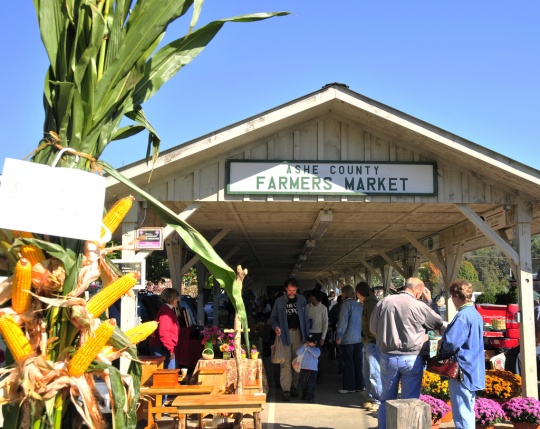
Photo by jsrice00

From Farmers to Miners

The kitchen at the Museum of Appalachia is run by Faye Smiddy, who is almost 85 and has no plans to retire anytime soon, thanks very much. Smiddy vividly recalls both a carefree life on her family farm and a very different one in a coal-mining camp: “I lived on my family’s farm until I got married,” she told me. “My mother starting teaching me how to cook as soon as I could sit up. We grew all our own vegetables and meat too – beef, pork and chicken. The only time we all left the farm was for coal-mining camp in 1931; we lived there for 10 years or so because dad could make more in the coal mines. But life in the camps wasn’t as good – especially the food.”

That's more than just one woman's opinion. The coal-mining industry dropped on the region with all of the grace of an atom bomb. When coal mines came to Appalachia, they knew they’d hit more than mere anthracite – they’d hit pay dirt. Well into the 20th century, coal industry bigwigs found makeshift roads, zero electricity and a population of willing workers who up until that point had spent their whole lives farming, trapping, hunting and cutting timber.

While some fled the reach of the mining corporations, many were attracted by the steady work and decent pay. While they brought with them better roads and electricity, the mines also did fine work breaking down the region's reliance on family farms. Smiddy and her eight siblings were hardly the only ones directly affected by the coal-mining industry’s steely-eyed determination to force-feed modern times (and modern food) down locals’ throats.
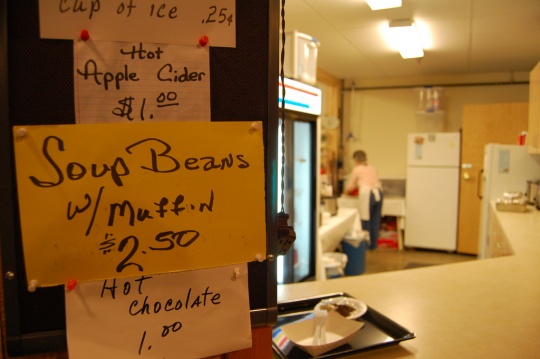
Photo by Southern Foodways Alliance

You Can Take it With You

The radical lifestyle change brought by the mining industry nearly demolished the old ways of life, and in response, people like Smiddy have made careers out of undoing what the mines have done, devoting themselves to the preservation of traditional Appalachian dishes, sharing them with younger generations, and laughing in the face of the Applebee's reign of terror.

While Smiddy doesn’t live on a farm anymore, she loves serving traditional Appalachian food to people who’ve never experienced it – especially in the spring and summer, when she can gather fresh ingredients from the museum’s garden.

“Kids in Appalachia don’t eat the way they used to, but no matter what they’re used to, our chicken n’ dumplings are always popular,” Smiddy said. “The tourists love it too. Everyone loves chicken n’ dumplings! Oh, and the desserts – the Appalachian Cream Pie and the Fried Apple Pies are always the first to go.” Sadly for my search, there's no fried squirrel on the menu. But if you call ahead, Smiddy will happily set aside an entire pie or cake so you can take it home with you.
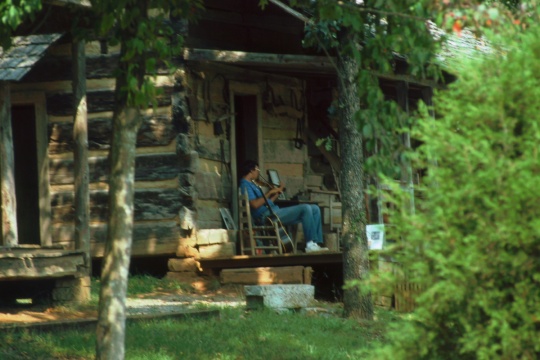
Photo by rjones0856

A Return to the Roots

In pursuit of that crispy fried-up rodent, I chatted with the communications and marketing coordinator at the Appalachian Sustainable Agriculture Project, Rose McLarney. The ASAP, based in North Carolina, helps family farmers find markets in restaurants, hospitals, and cafeterias. While McLarney couldn’t help me with my squirrel hunt, she did give me hope about the future.

“We’re seeing a huge resurgence of interest in traditional Appalachian foods,” McLarney said. “Younger farmers are getting interested in growing both heritage vegetables and tending to heritage varieties of meat. They’re committed to sustainable growth practices and grass-fed meat – they’ve found that both the vegetables and the meat tastes fresher and better when it’s cultivated naturally and residents and restaurants are responding."

One of ASAP's goals is cultivating interest in Appalachia's agricultural heritage, and it's working. McLarney continued: "People are recommitting to preserving their cultural roots. They’re committed to going out to local farmer’s markets every week to connect with the people who grew their food instead of just buying something in a grocery store. The influx of convenience foods definitely changed many people’s diets and their approach to food for a long time, but I really see people taking a step back and reassessing.”

David Darugh, the webmaster for the Georgia Mountains Foodways Alliance and the owner and operator (along with his wife Gayle) of the Beechwood Inn in Clayton, Georgia, agrees: “We’ve been shocked by the response to the Foodways Alliance,” Darugh said. “At our first meeting two years ago, we were expecting five people. Eighty showed up; and now we have dozens of small farmers, wineries, orchards, basically any form of farm-to-table producers, involved. Every generation for the last 100 years or so got farther away from living off the land and traditional cuisines, but now people are starting to realize just how much they stand to lose for the sake of convenience and they’re banding together before the traditions are gone forever.”
Photo by Jacob...K

Taking Fried Squirrel into Your Own Hands

So is fried squirrel gone forever? Sure, it's a little bit of an Appalachian cliche, but all cliches start somewhere. Other than borrowing pa's gun and taking matters into your own hands, there's got to be a way.

If you happened to be around when the Travel Channel’s Bizarre Foods with Andrew Zimmern zipped into Showshoe, West Virginia, you might have had the chance. Brian Bell, head chef at Snowshoe's Embers Restaurant, lured Zimmern and his crew to tape him at work with squirrel – even though he’d never before cooked the critter. The result: squirrel au vin, chicken-fried squirrel, and skewered squirrel leg. Ball and his crew didn’t stop there — they really get to the good stuff, cracking open the skulls, old-school style, and eating the brains. “I guess the flavor reminded me of foie gras,” Ball told the Charleston Daily Mail. “It had a really smooth, velvety texture. It was a little like the texture of hard-boiled egg yolk, but smoother.”

But since the Andrew Zimmern roadshow has packed up and left town, and Ball hasn't put squirrel on his permanent menu, there's an easier option: TheWest Virginia Road Kill Cook-Off, an annual autumn harvest festival where the discerning glutton can sample possum, groundhog, polecat, squirrel gravy, bear, and other culinary delights. This year it's September 26th, and the squirrel will be a-flowing.

Recipe: Faye Smiddy's Fried Apple Pie

If you don’t can’t up and high-tail it to Appalachia, but you all this talk of fried deliciousness has you hankering for some home-cooking here’s a recipe courtesy of Faye Smiddy at the Museum of Appalachia, that should hit the spot:

Ingredients:
6 Cups of Granny Smith Apples (cored, peeled and chopped)
1 tsp. Salt
3 tsps Allspice
3 1⁄2 cups sugar
3⁄4 cup water
4 cups all-purpose flour
2 tsps baking powder
1 tsp salt
1⁄2 cup milk
1 1⁄2 cup shortening

1. Mix apples and next 4 ingredients and cook on medium heat until thick. Set aside.
2. Cut shortening into dry ingredients until crumbly. Add milk.
3. Roll out dough on floured surface and cut into 6 inch round shapes.
4. Put about 2 tablespoons of apple mixture in the middle of the dough, fold over once into a half round shape. Crimp the edges with a fork to seal.
5. Fry in hot oil (not too much!) until golden brown.

Makes approximately 16-18 individual-serving apple pies.

— Kathleen Willcox

Tags: , , , , , ,